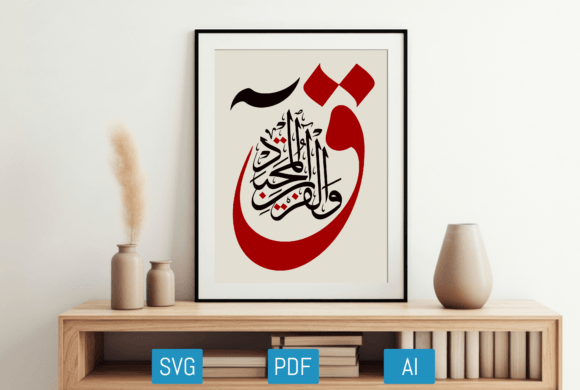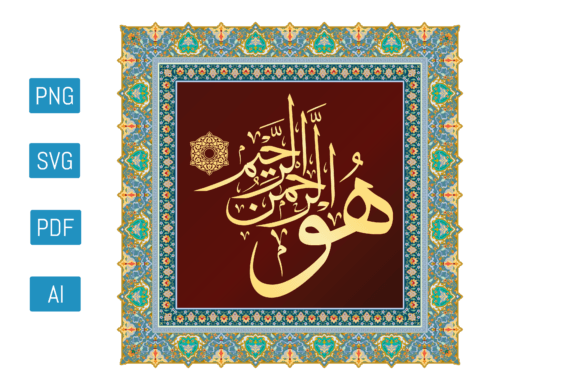
Calligraphy Huwa Al Rahman Al Rahim, Art Graphics & Crafts
In the world of digital publishing, visual hierarchy is not just an aesthetic choice; it is a functional necessity. As a designer who has spent years building editorial layouts and managing content workflows for high-traffic blogs, I have learned that the right graphic design asset can elevate a standard article into a polished, trustworthy piece of media. Recently, I evaluated a specific vector asset titled Calligraphy Huwa Al Rahman Al Rahim, Art to determine its viability for real-world website presentation, newsletter banners, and social media graphics. This review focuses on how this Digital Vector Arabic calligraphy performs within a modern content marketing ecosystem.
First Impressions: Editorial Mood and Visual Identity
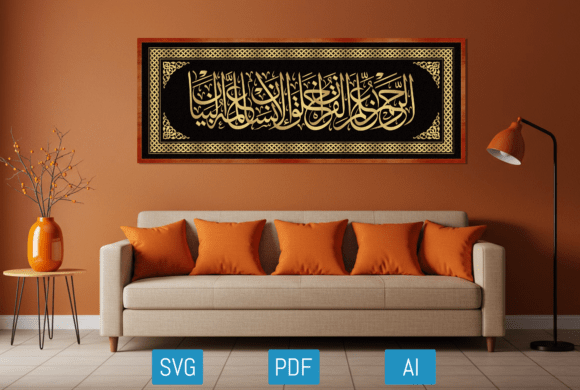
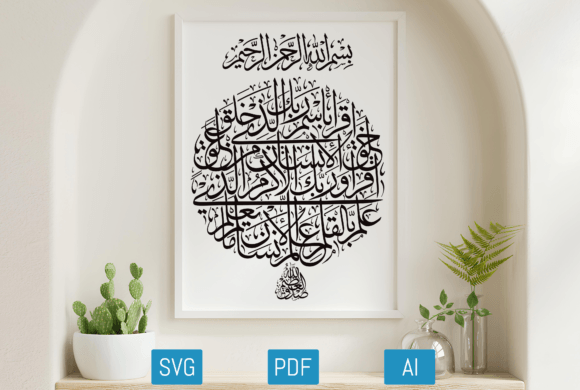
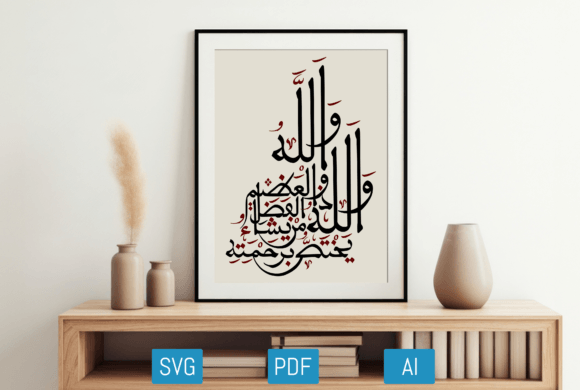
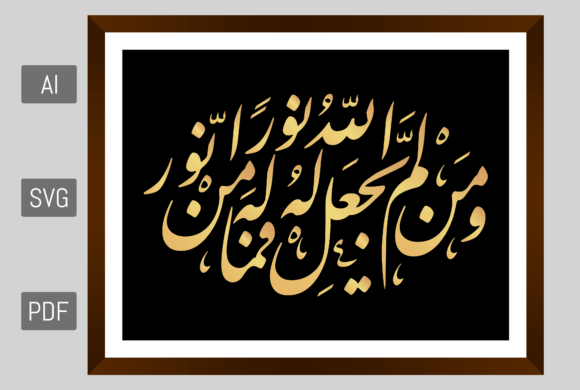
The moment you load Calligraphy Huwa Al Rahman Al Rahim, Art, the first impression is one of serene authority. Written in the Thuluth script, the design carries a weight that is both spiritual and sophisticated. Unlike playful or overly decorative fonts that compete with text, this asset commands attention through balance and flow. It creates an editorial mood that is clean, bold, and deeply artistic. For publishers in the lifestyle, wellness, faith-based, or cultural niches, this design supports content that needs to look refined without appearing cluttered.
The visual identity of this asset bridges the gap between traditional Islamic calligraphy and modern web design. It feels less like a static image and more like a brand element. When placed correctly, it signals to the reader that the content is curated with care. This is crucial for building reader trust, especially when dealing with sensitive or meaningful topics. The beautiful curves of the Arabic calligraphy Muslim style allow it to serve as a focal point, drawing the eye immediately while maintaining a sense of calm professionalism.
Real-World Publishing Applications
Integrating Huwa Al Rahman Al Rahim . Arabic Calligraphy written in Thuluth Script into your workflow requires strategic placement. In my testing, this asset proved versatile across several key areas of content creation:
- Blog Featured Images: Using this design as a background or overlay for article headers adds immediate visual distinction. It helps your posts stand out in search results and social feeds.
- Pinterest Pins: Pinterest is a visual search engine. A pin featuring this elegant calligraphy attracts clicks from users interested in spirituality, art, and design. Its vertical compatibility makes it ideal for long-form pins.
- Newsletter Headers: For email marketing, a banner using this Islamic calligraphy Desi style sets a respectful and engaging tone before the reader even opens the body copy.
- Digital Guides and eBooks: As a cover element for downloadable resources, worksheets, or lead magnets, it conveys value and exclusivity. It transforms a simple PDF into a premium digital product.
- Social Media Graphics: Whether for Instagram quotes or Facebook ads, the vector nature ensures crisp rendering at any size, supporting consistent brand identity across platforms.
- Canva Templates: Designers can easily incorporate this vector into Canva templates, allowing small business owners and creative entrepreneurs to maintain a cohesive look without starting from scratch.
Impact on Content Performance
Why does this matter for your bottom line? Because visual quality directly influences user behavior. When you use a high-quality design asset like this, you achieve a stronger first impression. Readers subconsciously associate professional visuals with credible information. This leads to better click-through potential and longer time-on-page metrics.
Furthermore, consistent use of such distinctive graphics strengthens your visual identity. Over time, your audience will recognize your content by its aesthetic alone. This is particularly effective for affiliate marketing content, where establishing trust is paramount. If your affiliate pages look polished and intentional, readers are more likely to engage with the recommendations. Additionally, clear visual hierarchy helps guide the reader’s eye to calls-to-action, improving conversion rates for content marketing campaigns.
Optimal Placement and Strategic Use
To get the most out of Calligraphy Huwa Al Rahman Al Rahim, Art, consider these high-impact zones:
- Hero Images: Full-width banners on your homepage or category pages benefit from the grandeur of Thuluth script.
- Article Thumbnails: Smaller versions can serve as icons for specific categories, aiding in quick navigation.
- Editorial Accents: Use subtle instances of the design as dividers or background watermarks to add depth without distraction.
- Downloadable Resources: On printables and worksheets, it serves as a beautiful header that enhances the perceived value of the free offer.
Areas Requiring Caution
While powerful, this asset is not universally applicable. There are scenarios where careful consideration is needed:
- Small Mobile Thumbnails: The intricate details of Thuluth script may become illegible on very small screens. Always test readability at thumbnail size.
- Text-Heavy Blog Images: Avoid placing dense paragraphs of text over the calligraphy. Let the design breathe; use it as a backdrop or accent, not a canvas for heavy copy.
- Low-Contrast Backgrounds: Ensure sufficient contrast between the asset and its background. Muddy colors will obscure the beauty of the vector lines.
- Busy Layouts: In chaotic designs, this asset might compete for attention. Use it in clean, minimal layouts to maximize impact.
- Serious Professional Niches: While beautiful, the religious and artistic connotations may not align with corporate or strictly technical content. Evaluate your niche fit carefully.
Practical Publisher Notes for Implementation
Before adding this creative design to your library, follow these technical checks to ensure seamless integration:
Screen Testing: Preview the asset on both desktop and mobile devices. Check how it scales and whether it maintains its sharpness. A vector file should remain crisp, but layout shifts can occur.
Typography Pairing: Experiment with font combinations. Place the calligraphy beside serif fonts for a classic look, sans-serif fonts for modernity, or handwritten styles for a personal touch. Avoid pairing it with other display fonts that may clash.
Contrast and Readability: Test the design in black and white to check tonal balance. Ensure that any overlaid text remains readable against the intricate lines of the calligraphy.
Web Performance: Even though it is a vector, if exported as a raster image for certain uses, ensure proper compression. Large file sizes can slow down page load times, negatively affecting SEO and user experience.
Licensing Verification: Confirm the commercial license status. If you are using this on monetized websites, affiliate pages, or paid content products, you must have the right to use it commercially. This protects your business and respects the creator’s rights.
Conclusion
Calligraphy Huwa Al Rahman Al Rahim, Art is more than just a decorative element; it is a strategic tool for enhancing editorial quality. By integrating this modern design into your web design and social media graphics, you create a cohesive, trustworthy, and visually appealing brand presence. Whether you are a blogger, publisher, or small business owner, this asset offers a sophisticated way to communicate value and respect through visual storytelling. Use it wisely, test it thoroughly, and watch your content engagement soar.