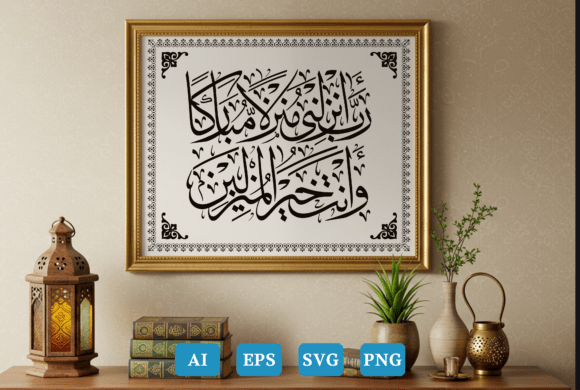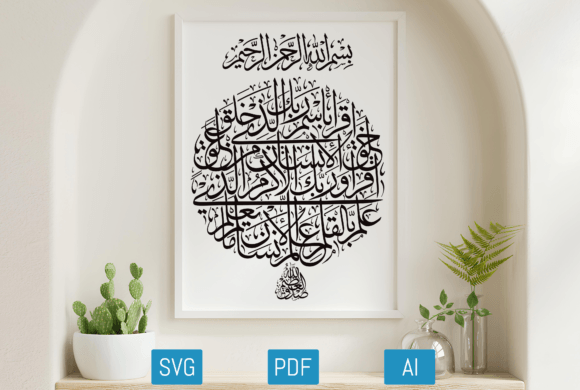
Calligraphy Arabic Surah Qaf Ayat1, Art Graphics & Crafts
In the world of digital publishing, the difference between a casual blog post and a professional editorial piece often comes down to visual communication. As an experienced designer who has managed content workflows for years, I know that readers make split-second decisions about trust and authority based on aesthetics alone. When evaluating a graphic design asset for real website use, we are not just looking at pretty pictures; we are looking at tools that support content marketing, enhance brand identity, and drive engagement.
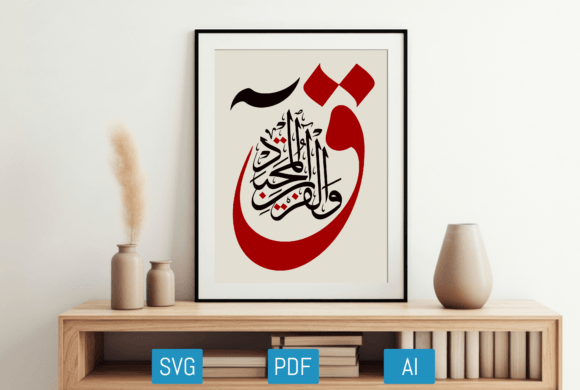
This review focuses on Calligraphy Arabic Surah Qaf Ayat1, Art, a specific design element drawn from Islamic tradition. While categorized under Crafts and Graphics in marketplaces, its application in modern web design is far more nuanced. It is a Digital Vector piece featuring Arabic Calligraphy written in Thuluth Script. For publishers targeting Muslim audiences, Islamic education platforms, or cultural lifestyle blogs, this asset offers a unique blend of spiritual depth and artistic elegance. Below, I break down how this asset fits into a real-world publishing workflow.
The Editorial Mood and First Impression
When you first load Calligraphy Arabic Surah Qaf Ayat1, Art into your design software, the immediate takeaway is one of refined sophistication. The Thuluth script, known for its elongated vertical strokes and complex curves, creates a visual rhythm that feels both historic and timeless. This is not a playful or overly decorative font; it carries weight. It suggests seriousness, reverence, and high-quality production values.
For a blogger or newsletter creator, this mood translates directly into reader perception. If you are publishing content related to faith, spirituality, or Middle Eastern culture, using this asset signals that you respect the source material. It elevates the perceived value of your content. Whether used as a header for a deep-dive article on Surah Qaf or as a subtle accent in a weekly digest, it adds a layer of editorial design that generic stock photos cannot replicate. It feels clean, bold, and distinctly authentic.
Real-World Publishing Applications
I have tested this asset across various formats to see where it performs best in a live environment. Because it is a vector file, it scales without losing quality, which is critical for responsive web design. Here is how it integrates into different stages of content creation:
- Blog Featured Images: Using the calligraphy as a background texture behind your headline text can create a striking contrast. It anchors the reader’s eye immediately, establishing a strong visual hierarchy before they even read the title.
- Pinterest Pins: Pinterest is a visual search engine. Pins featuring elegant Arabic calligraphy tend to stand out in feeds dominated by bright, chaotic graphics. This asset allows for a minimalist approach that encourages clicks from users seeking aesthetic inspiration or religious content.
- Newsletter Headers: For email marketing, especially in the Muslim niche, a custom header featuring Qaaaf wal Qur aanil Majeed reinforces brand consistency. It tells subscribers that the content inside is curated with care.
- Digital Guides and eBooks: If you are creating a lead magnet, such as a printable guide on Islamic history or a digital journal, this art serves as an excellent cover element. It transforms a simple PDF into a polished digital product.
- Social Media Graphics: Instagram and Facebook posts benefit from the ornamental nature of Thuluth script. It works beautifully as a standalone image with minimal overlay text, allowing the art to speak for itself while driving traffic to your affiliate links or blog posts.
Enhancing Content Performance and Trust
Why does this specific design matter for your bottom line? In content marketing, every visual element must serve a purpose. A well-placed design asset like this improves click-through potential by making your content look established and trustworthy. Readers are more likely to engage with a page that looks professionally designed rather than one that appears hastily assembled.
Furthermore, this asset supports small business branding for entrepreneurs in the Islamic niche. By consistently using high-quality creative design elements, you build a recognizable visual identity. When a user sees the distinctive curves of the Thuluth script associated with your site, it creates instant recognition. This consistency is key to building long-term audience loyalty.
Strategic Placement and Visual Hierarchy
To get the most out of Calligraphy Arabic Surah Qaf Ayat1, Art, you must understand where it shines and where it might cause friction. Its strength lies in its ability to act as a hero element.
Best Use Cases:
- Hero Images: Place it prominently at the top of landing pages or category archives.
- Editorial Accents: Use smaller versions as bullet points or section dividers within long-form articles.
- Downloadable Resources: Incorporate it into worksheets or printables to add perceived value.
Areas for Caution:
However, this asset requires careful handling. It should be avoided in contexts where clarity is paramount over aesthetics. For example, do not place heavy calligraphy overlays on small mobile thumbnails where legibility is lost. Avoid using it in serious corporate environments or tech-focused niches where a minimalist, sans-serif aesthetic is preferred. Additionally, be mindful of low-contrast backgrounds; if the calligraphy is dark, ensure your background is light enough to maintain readability.
Practical Publisher Notes for Implementation
Before adding this to your media library, consider these technical and strategic checks. As a publisher, you must ensure that your visuals do not compromise site speed or accessibility.
First, always test the asset on both desktop and mobile screens. A design that looks balanced on a wide monitor may feel cramped on a smartphone. Check how it renders when compressed for web performance. Since it is a vector, convert it to optimized PNG or SVG formats depending on your theme’s capabilities.
Second, experiment with typography pairing. The ornate nature of Thuluth script pairs exceptionally well with clean sans serif fonts for body text, creating a modern balance. It can also complement serif fonts for a more traditional, literary feel. Avoid pairing it with other script fonts or handwritten fonts, as this will create visual clutter and reduce readability.
Third, verify your licensing. If you plan to use this on monetized websites, affiliate pages, or as part of a paid digital download, ensure you have the appropriate commercial license. Many marketplaces offer different tiers for personal versus commercial use. Confirming this upfront protects your business from legal issues.
Finally, consider the color palette. While the default black-and-white version is classic, testing the asset in sepia tones or muted golds can add warmth and align with seasonal content themes. Always preview the final design inside a real blog layout to ensure it harmonizes with your existing brand colors.
Final Verdict for Digital Creators
Calligraphy Arabic Surah Qaf Ayat1, Art is more than just a decorative image; it is a powerful tool for editorial storytelling. For bloggers, designers, and content creators serving the Muslim community or those interested in Islamic art, this asset provides the polish needed to compete in a crowded digital landscape. It supports web design goals by adding cultural relevance and artistic integrity.
Whether you are designing a new website header, creating a series of educational pins, or packaging a new eBook, this graphic design asset delivers on the promise of professional quality. It respects the tradition of Islamic calligraphy while functioning effectively in modern creative design workflows. By integrating it thoughtfully into your content strategy, you enhance not only the beauty of your pages but also the trust and engagement of your readers.