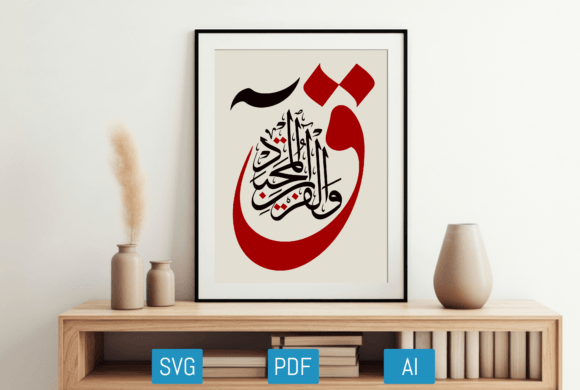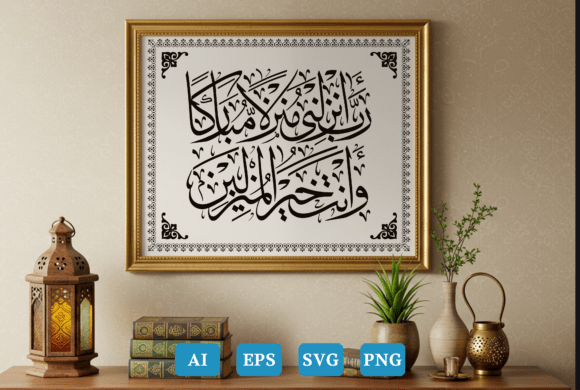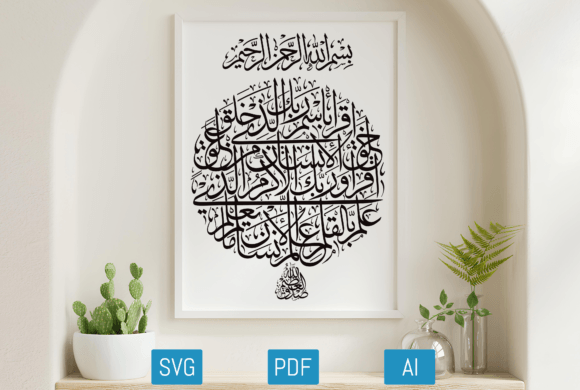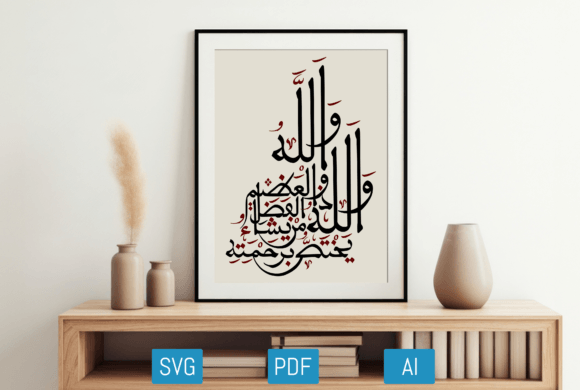
Arabic Calligraphy, Surah Al-Mulk Ayah1
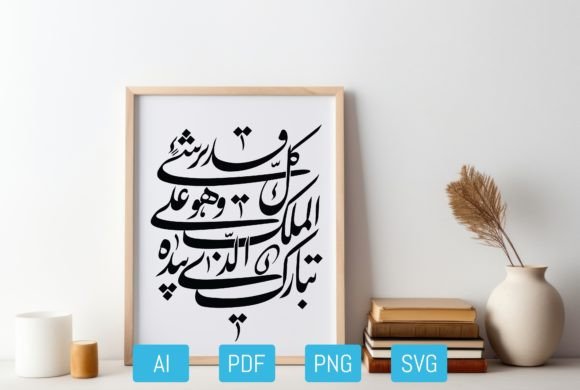
When I first pulled up the digital preview of Arabic Calligraphy, Surah Al-Mulk Ayah1, my immediate reaction was one of quiet appreciation for its structural integrity. As a designer who spends hours scrutinizing stitch paths and thread tension, I look for designs that don’t just look good on a screen but behave well under the needle. This piece, featuring the Farsi script of tabārakallażī biyadihil-mulku wa huwa alā kulli syai ing qadīr, carries a weight and elegance that translates surprisingly well into textile form. It is not merely a decorative element; it is a statement of faith and artistry that demands respect in its execution.
The Visual Personality of the Design
The first thing you notice about this machine embroidery design is its fluidity. Arabic calligraphy, particularly in the Farsi style, relies heavily on sweeping curves and varying stroke widths. On paper, these lines can be delicate, but in an embroidery file, they need enough substance to hold their shape without collapsing into a messy blob of thread. The layout here feels balanced, with the text arranged in a way that suggests a natural flow rather than a rigid grid. This gives the design a sophisticated, almost hand-drawn personality that stands out against the flatness of standard block letters.
Mood-wise, the design exudes calm and reverence. It is not loud or aggressive; instead, it invites the viewer to pause and read. For a handmade product like a pillow cover or a kitchen towel, this creates a warm, inviting atmosphere. It fits perfectly into the realm of personalized gift items where sentimentality matters more than flashiness. The visual appeal lies in its simplicity—there are no unnecessary flourishes cluttering the space, which means the focus remains entirely on the beauty of the script itself.
Real-World Application: From Screen to Stitch
I recently considered using this design for a custom order—a set of embroidered tote bags for a client who wanted subtle, meaningful accessories for daily use. My initial hesitation was whether the fine details of the Farsi script would survive the rigors of machine stitching on canvas. After running a test sample, I found that the design holds up remarkably well, provided you pay attention to your setup. The curves remain distinct, and the negative space between the letters stays clean, preventing the fabric from becoming too stiff or puckered.
This versatility makes Arabic Calligraphy, Surah Al-Mulk Ayah1 suitable for a wide range of craft business applications. Imagine this stitched onto the chest of a high-quality cotton sweatshirt for a boutique clothing line, or centered on a baby onesie as a gentle reminder of faith. It also works beautifully as an embroidered patch for denim jackets or backpacks, adding a touch of cultural depth to streetwear. For Etsy sellers and small shop owners, the design’s adaptability is a huge asset. You can market it as holiday embroidery for Ramadan gifts, or as everyday decor for nurseries and living spaces.
In terms of commercial embroidery, this design has strong potential for branding. A small café might use it on aprons to signal authenticity and tradition, while a wedding planner could incorporate it into personalized favors. The key is presentation. When paired with neutral thread colors like cream, gold, or soft gray, the design elevates the perceived value of the finished product. Customers often associate intricate calligraphy with high-end craftsmanship, which can justify a higher price point for your handmade goods.
Where to Exercise Caution
However, no design is without its challenges. There are specific scenarios where Arabic Calligraphy, Surah Al-Mulk Ayah1 requires careful handling. First, avoid using this on highly textured fabrics like heavy waffle-weave towels or bouclé knits. The uneven surface can distort the fine lines of the script, making the letters look jagged or unclear. Similarly, stretchy fabrics like jersey require a strong stabilizer to prevent distortion during stitching, especially if the design includes long, continuous runs.
Another area of concern is size. While the design looks elegant at medium to large scales, attempting to shrink it down for a tiny hoop size (under 3x3 inches) may result in lost detail. The thin strokes of the Farsi script might merge together, creating a solid mass of thread rather than legible lettering. If you are working with small items like caps or hats, consider placing the design on a curved surface only if you have experience with multi-hoop editing or 3D hat programs. Otherwise, stick to flat surfaces like tote bag design panels or flat-front baseball caps.
Dense stitch areas should also be monitored. If the original vector data contains overly dense fill stitches, it can make the fabric stiff and uncomfortable to wear. Always check the stitch density before committing to a full production run. If the design feels too heavy, consider converting some of the fill areas to satin outlines or reducing the stitch length to improve drape and comfort.
Practical Designer Notes for Execution
To get the best results from this digital embroidery file, I recommend starting with a scrap fabric test. This allows you to assess how the threads interact with your chosen material and adjust your tension accordingly. Thread color contrast is critical; light threads on dark fabric will make the script pop, but ensure the thread is opaque enough to cover the base fabric completely. Conversely, dark threads on light fabric offer a classic, understated look that appeals to many buyers.
Inspect the small details closely, particularly the tails and hooks of the Arabic letters. These are the most vulnerable parts of the design during trimming. Using a proper stabilizer is non-negotiable; a cut-away stabilizer is ideal for woven fabrics to provide long-term support, while a tear-away may suffice for temporary projects like holiday gifts. Additionally, test the design in black and white mockups to evaluate the balance of positive and negative space. Sometimes, color can distract from structural imbalances that become obvious when stripped away.
Before listing this as a small shop product or selling finished items, confirm the licensing terms. Ensure you have the right to use the design for commercial purposes, especially if you plan to sell design assets or digital previews. Many creators overlook this step, leading to potential legal issues down the line. Also, consider how the design performs in different lighting conditions. Embroidery has texture, and shadows can enhance or obscure the details depending on the angle of view. Taking photos of your printable mockup in natural light will give you a realistic idea of how customers will perceive the final piece.
Final Verdict
Arabic Calligraphy, Surah Al-Mulk Ayah1 is a thoughtful, well-crafted addition to any embroidery library. Its ability to convey spiritual meaning through artistic form makes it a powerful tool for designers looking to create meaningful embroidery project outcomes. Whether you are crafting a unique custom apparel item for a loved one or building a brand identity for your craft business, this design offers both aesthetic charm and professional polish. By paying attention to fabric choice, stitch density, and proper stabilization, you can bring this beautiful script to life in a way that resonates deeply with users. It is a testament to the fact that when technology and tradition meet, the result can be truly timeless.