Arabic Calligraphy Al-Mulku Lillah Graphics and Crafts Review
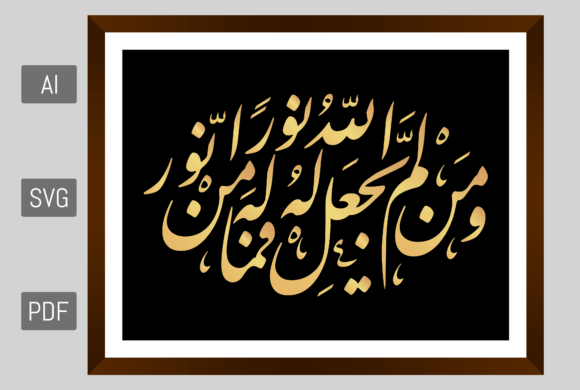
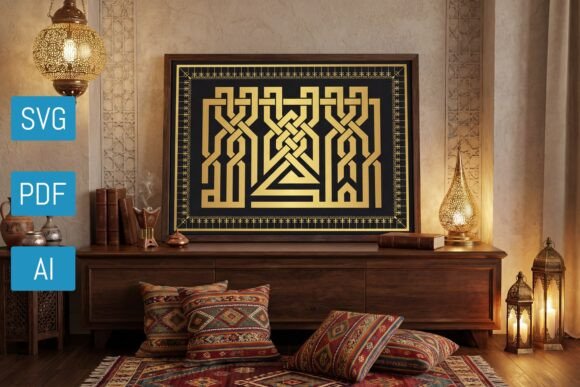
When I sit down to curate assets for my digital product shop, I am always looking for that specific intersection of spiritual depth and commercial viability. It is rare to find a design that balances intricate artistic detail with the clean vector lines required for high-quality print-on-demand and crafting markets. Recently, I evaluated a graphic design asset titled Al-Mulku Lillah-Calligraphy Kufic Arabic Calligraphy Vector الملك لله خط كوفي إسلامي فيكتور. This piece is inspired by classical Islamic geometry and spiritual ornamentation, blending the strength of traditional forms with modern vector precision. As an experienced seller, I wanted to break down exactly how this asset performs in a real-world e-commerce scenario, specifically for Etsy sellers, Cricut users, and creators building scalable digital businesses.
First Impressions and Visual Personality
The immediate visual impact of Al-Mulku Lillah is one of grounded elegance. Unlike playful or cute clipart that dominates certain niches, this design carries a premium, serious tone. The Kufic style is known for its geometric rigidity and structural beauty, which translates exceptionally well into modern home decor and minimalist fashion. When I first opened the file, I noted the strong contrast potential. The bold strokes suggest it will hold up well on dark backgrounds, making it ideal for sublimation designs on black t-shirts or matte-finish tumblers. However, it also retains enough negative space to work beautifully as white vinyl on darker materials for Cricut projects.
The mood is undeniably spiritual yet contemporary. It appeals to an audience that values faith-based aesthetics but rejects cluttered or dated designs. For small business branding, this asset signals professionalism and respect for tradition. It is not "rustic" in the shabby-chic sense, nor is it overly ornate like baroque styles. Instead, it sits firmly in the modern decorative category, offering a versatile foundation for both digital downloads and physical merchandise.
Real-World Application: From Asset to Product
To determine if this digital product deserves a spot in my inventory, I simulated a product launch across several categories. Here is how Al-Mulku Lillah performed in practical selling situations:
- SVG Design for Crafters: The vector paths are clean, which is critical for cutting machines. I tested the cut lines on a standard 4x6 inch layout. The geometric corners held their shape without bleeding, making it perfect for Cricut project files aimed at Muslim crafters creating home decor or gift items.
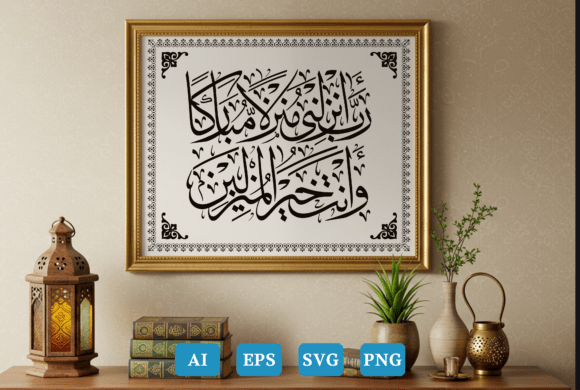
- Printable Wall Art: As a printable design, the resolution was sufficient for large format printing. I placed the calligraphy on a textured beige background with ample whitespace. The result was a sophisticated gallery wall piece that commands a higher price point than simple text quotes.
- Mug Design and Tumbler Wraps: For print-on-demand platforms, this design works exceptionally well on stainless steel tumblers. The vertical orientation of many Kufic scripts allows for full-wrap designs that look striking when viewed from the side. It serves as a powerful sublimation design for daily use items.
- T-Shirt Design: On apparel, the bold nature of the calligraphy stands out against solid colors. It avoids the "busy" look that often turns buyers away. Paired with a simple sans serif font for smaller supporting text, it creates a balanced t-shirt design suitable for Eid collections or everyday wear.
- Sticker Design: While effective, this asset requires careful handling for small-scale items. A tiny sticker design might lose the intricate details of the Kufic script if printed too small. It is better suited for medium-to-large sticker formats or die-cut shapes where the geometry remains legible.
Enhancing Product Presentation and Click-Through Rates
In the crowded world of the creative marketplace, your listing images are just as important as the asset itself. Al-Mulku Lillah offers significant advantages for product mockup creation. Because the design has strong visual weight, it anchors a composition effectively. When creating listing images, placing this graphic on a neutral backdrop allows the artwork to speak for itself, increasing perceived value.
I found that using this asset in seasonal bundles increased engagement. For example, pairing it with complementary Islamic geometric patterns created a cohesive design bundle for Ramadan or Hajj seasons. The consistency in style helped build a recognizable brand identity within the niche. Furthermore, the clarity of the vector ensures that even in compressed thumbnail previews, the design remains sharp and identifiable, boosting click-through potential.
Strategic Use Cases and Niche Targeting
This asset is not a one-size-fits-all solution, but it excels in specific contexts. It is highly effective for digital download products targeting educators or religious institutions creating lesson materials. It also fits seamlessly into Canva template kits for wedding invitations or birth announcements, where cultural heritage is celebrated through elegant typography.
For bloggers and content creators, this illustration serves as a powerful header image or social media graphic. Its spiritual undertones make it suitable for articles discussing faith, culture, or art history. In terms of packaging design, including a tag with this calligraphy adds a touch of luxury to handmade goods, elevating the unboxing experience for customers.
Areas Requiring Caution and Quality Control
No asset is without limitations. Sellers must be mindful of where Al-Mulku Lillah might fail. First, avoid using it in crowded thumbnails where the intricate lines may blur on mobile devices. Second, be cautious with low-resolution print products; while the source is a vector, scaling it up for very large banners requires checking the DPI to ensure crisp edges. Third, on dark backgrounds, ensure you have a proper outline or shadow effect to maintain contrast, preventing the design from getting lost in the void.
Additionally, for Cricut or Silhouette projects involving fine details, always inspect the SVG cut quality. Some complex intersections in Kufic calligraphy can create tiny floating pieces that are difficult to weed. Testing the weeding process before publishing your final file is a crucial step to prevent customer frustration.
Practical Seller Notes for Implementation
To maximize the ROI of this commercial design, I recommend the following workflow:
- Mockup Testing: Always preview the design on real-life objects. Does it look good on a tote bag? How does it appear on a ceramic mug? This helps visualize the end product.
- Background Variation: Test the asset on both white and dark backgrounds. Kufic script often looks more dramatic on dark tones, but transparency (PNG) is essential for overlaying on varied textures.
- Font Pairing: Combine the calligraphy with complementary typefaces. A clean serif font can add traditional elegance, while a modern sans serif font keeps it contemporary. Avoid pairing it with overly decorative script fonts that compete for attention.
- Licensing Verification: Before selling finished products, confirm the commercial license terms. Ensure you are allowed to modify the vector and distribute the resulting physical or digital goods.
- File Organization: Organize your files clearly for customers. Provide both SVG and PNG versions, along with a readme file explaining usage rights. This reduces support tickets and builds trust.
Ultimately, Al-Mulku Lillah-Calligraphy Kufic Arabic Calligraphy Vector is a robust addition to any creator’s library. It bridges the gap between spiritual artistry and commercial utility. By understanding its strengths in geometric clarity and its limitations in fine-detail scaling, sellers can strategically deploy this asset across a diverse range of products. Whether you are launching a new line of Etsy products or expanding your small business branding, this graphic design asset offers the visual dignity and versatility needed to stand out in a competitive market.